

Ensure Senior Safety and Independence at Home
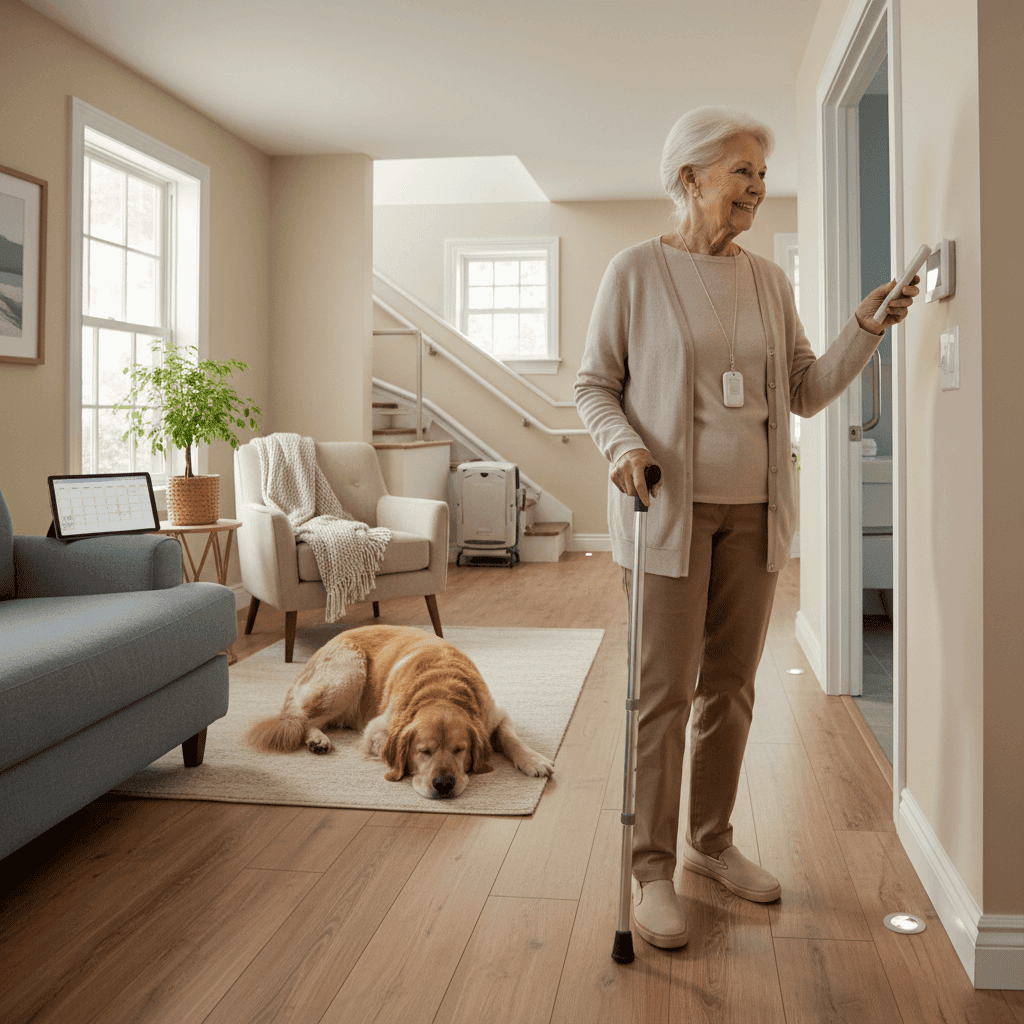
Caring for an older relative at home brings a mix of emotions. There is comfort in familiar surroundings and daily routines. There is also real concern about falls, sudden illness, medication mistakes and declining mobility. Families want practical ways to reduce risk while preserving the dignity and independence that matter most to a senior.
This article lays out sensible, actionable steps that help protect senior safety and independence at home. Read on for device choices, home changes, routine habits and decision tips that fit different budgets and lifestyles. You will find concrete examples and checklists to make planning easier for caregivers and the person who lives at home.
Protect senior safety and independence at home with a layered plan
One reliable approach is to layer several modest measures so no single failure creates a crisis. Think of three layers. The first layer reduces hazards in the living space. The second layer supports daily health tasks and monitoring. The third layer gives fast access to help should an emergency happen. When these layers work together a senior can keep living at home longer with fewer interruptions.
Start with a simple risk assessment. Walk each room at eye level and on hands and knees to spot trip hazards. Review medication schedules for duplicates or awkward dosing times. Check lighting levels in hallways and stairwells with a mobile phone camera at night to find dim spots.
Identify common in home risks and practical fixes
Knowing the most frequent causes of harm helps prioritize changes. Here are high impact problem areas with quick fixes.
- Falls Older adults fall because of slippery surfaces poor lighting footwear and uneven rugs. Fixes include non slip mats grab bars at entryways and in bathrooms nightlights in corridors and removing loose rugs.
- Medication mistakes Complex prescriptions cause missed doses or double dosing. A weekly pill organizer with clear labeling or a timed reminder system reduces errors. Discuss medication consolidation with the primary care provider when possible.
- Slow response to medical events A fall fainting episode or sudden shortness of breath becomes far more serious when help is delayed. A wearable alert device or monitored home unit shortens response time.
- Cognitive changes Mild memory issues lead to leaving the stove on or forgetting appointments. Stove use timers automatic shutoffs and visible calendars help maintain independence while reducing risk.
Medical alert systems and how they preserve freedom
Medical alert systems come in many forms. Some are personal pendants or wristbands with one button to call for help. Others include automatic fall detection or a base unit that connects through telephone lines or cellular networks. The goal is the same. A quick call for assistance that does not require a senior to reach a phone.
Choosing the right product depends on lifestyle. For example a highly active senior who gardens daily may prefer a waterproof wearable with good battery life. Someone who spends most time inside may get adequate coverage from a home base station with a large range. To compare products and features see a focused review of the best medical alert tools that match different needs and budgets.
Key features to evaluate
- Range of coverage from the base unit to the wearable
- Battery life and low battery alerts
- Fall detection accuracy and false alarm rates
- Subscription cost and contract terms
- Whether the system calls family members emergency services or a monitoring center
How to trial a system
Ask about a trial period or a short term contract to test whether the device fits daily routines. Have a staged test night where a caregiver triggers an alert and notes response time. Confirm that the device works in the areas of the home where the senior spends most time such as a detached garage or screened porch.
Connected home setups that increase safety while preserving freedom
Connected sensors and simple technology can reduce routine hazards without constant supervision. A few well chosen items extend sightlines and reduce guesswork.
- Motion sensors that trigger gentle lighting in hallways at night
- Door sensors that send an alert when a front door opens at unusual hours
- Temperature monitors that warn of extreme heating or cooling problems
- Smart plugs that cut power to appliances after a set time to prevent stove related incidents
When introducing any connected item make setup and maintenance simple. Use devices with clear battery status and offer printed instructions for a caregiver. Avoid adding systems that require frequent app updates if the user prefers minimal interaction.
Daily routines and home modifications that support living at home
Small routine changes and modest home improvements greatly reduce risk. Focus on practical steps that can be completed over a few weekends or via local handyman services.
- Improve lighting across thresholds and stairways with LED bulbs and motion activated fixtures
- Install grab bars in showers and beside toilets using stud mounted fittings
- Replace high pile rugs with low profile mats or remove them entirely
- Rearrange frequently used items to waist height to avoid bending or reaching
- Arrange regular vision and hearing checks as small deficits raise fall risk
Exercise matters. Gentle strength and balance activities three times per week reduce fall rates significantly. Consider a class at a community center or short daily routines guided by video. Even ten minutes a day makes a difference when maintained consistently.
Choosing services and plans that match needs and budget
Coverage options and pricing vary. Planning ahead saves money and avoids surprises. Here are decision points to review with a family member.
- Monitoring type subscription based monitored response or self response
- Connection method landline cellular or internet and backup power options
- Contract length monthly billing or annual discounts
- Replacement policy for lost or damaged devices
- Whether emergency contacts are easy to update and call order preferences
Ask how the monitoring center verifies emergencies before dispatching services. Some centers call the senior first then family. Others contact emergency services after no answer. Match the response pattern to the seniors health profile and local emergency system performance.
Practical tips for caregivers to balance safety and independence
Becoming an effective caregiver often means making small changes consistently and communicating with respect. The following tips help protect safety without taking away control.
Communicate openly and schedule reviews
Start conversations focused on what the senior values most such as keeping a garden or hosting family dinners. Frame safety measures as tools that support those priorities. Schedule short check ins once a week to review what is working and what needs change.
Create simple written plans
Put emergency steps on one page with clear names and phone numbers. Include how to operate any alert device and where spare chargers live. Attach this page near the primary phone and in the kitchen for quick access.
- Make a short emergency contact card and laminate it
- Keep a log of recent falls medication changes and health visits
- Use a shared calendar for appointments and refill reminders
When selecting any change involve the senior in testing and decisions. Try a wearable device for a few days before making it a permanent habit. If the person dislikes a particular item find an alternative that provides the same safety benefit with fewer drawbacks. Balancing respect and caution leads to better long term outcomes.
Summary and action steps
Keeping a loved one safe at home while preserving independence is achievable with a thoughtful mix of low cost home changes reliable devices and clear routines. Begin with a room by room safety check and prioritize fixes that carry the highest benefit such as improved lighting grab bars and medication organization. Evaluate medical alert systems based on coverage needs battery life and the type of response preferred. Add selected connected sensors to cover blind spots and set up a simple emergency plan with printed instructions and quick contact information.
Take a small concrete step this week. Walk the main living space and mark three hazards to correct. Pick one technology option to trial for a month and test response times with a caregiver. Record what goes well and what needs adjustment. By making incremental changes and involving the senior in decisions you protect health reduce stressful surprises and support continued independence. If you need a starting point to compare options explore a curated list of products and features that match different routines and budgets. Then choose one change and schedule it into the calendar this month.