

How Do Smart Travelers Plan Australia Adventures
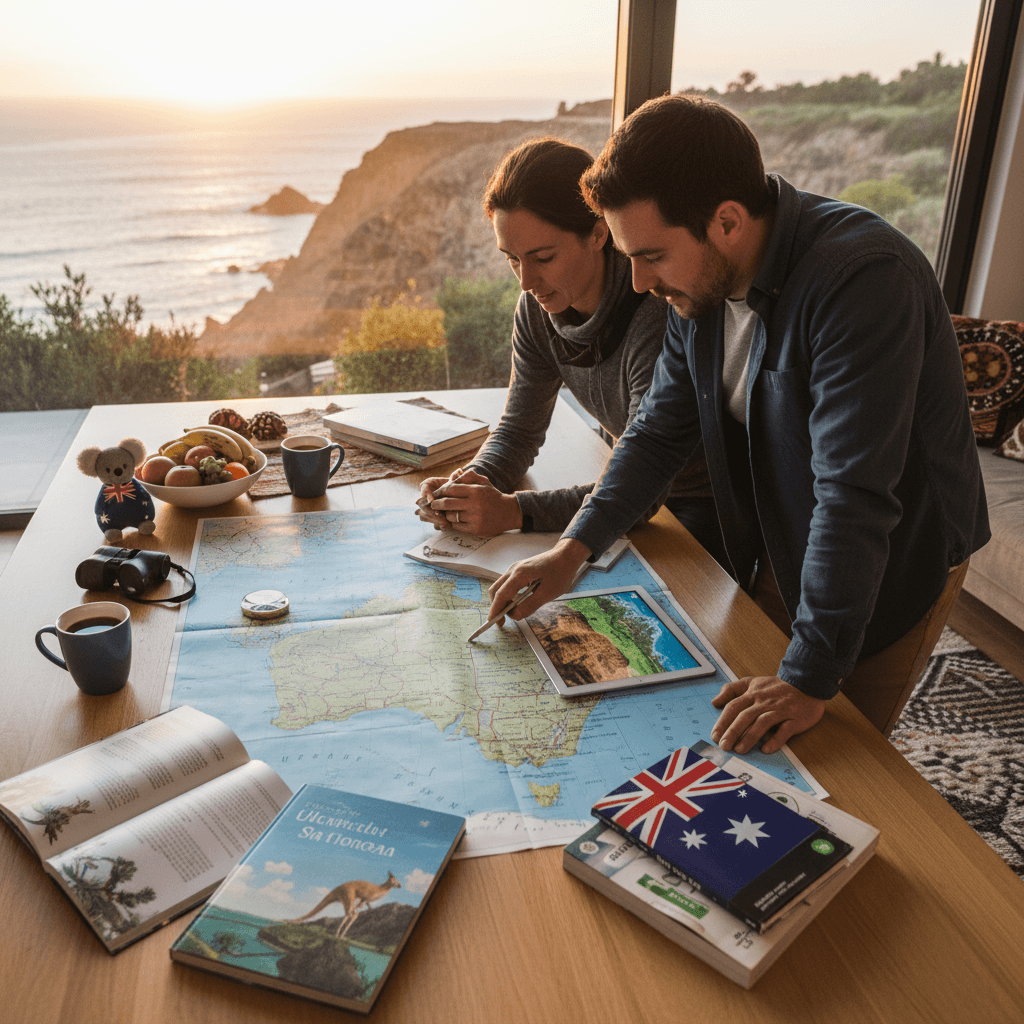
Australia is a land of incredible contrasts and vast beauty. It is a destination that captures the imagination, from its sprawling outback to its vibrant coastal cities and unique wildlife. Planning a trip to this distant continent feels exciting but also a little daunting, especially for those who want to make the most of their time and resources.
I know many travelers dream of experiencing Australia without the common pitfalls of poor planning. My experience shows that smart preparation makes all the difference. This means focusing on strategic choices, efficient budgeting, and practical logistics before you even step on a plane.
We believe that a well-thought-out plan turns a good trip into an unforgettable adventure. It is about understanding the lay of the land, anticipating challenges, and knowing how to adapt. This approach to travel mirrors the smart planning and attention to detail we apply in other areas of life and business.
Early Research and Destination Selection for Australia Adventures
The first step for any smart traveler heading to Australia involves extensive early research. This massive country offers so much variety, so narrowing down your focus is very important. I usually start by identifying the main regions or experiences that truly call to me, because trying to see everything in one go is simply not realistic.
Consider what kind of experience you are seeking. Are you hoping for vibrant city life, rugged wilderness, pristine beaches, or a deep dive into Aboriginal culture? Each choice will guide your planning process in different ways. For example, a trip focused on exploring the Great Barrier Reef will look very different from an outback adventure.
Understanding Australia’s Diverse Regions
Australia divides into several distinct regions, each with its own charm and travel considerations. The East Coast features iconic cities like Sydney and Melbourne, along with the Gold Coast beaches and the Whitsunday Islands. This area is often a popular choice for first-time visitors due to its accessibility and wide range of activities.
The West Coast, with Perth as its hub, offers stunning national parks, unique rock formations, and incredible coastal drives. It is less crowded but just as breathtaking. The Northern Territory promises a different kind of adventure, including Kakadu National Park and Uluru. Tasmania presents rugged mountains, untouched wilderness, and a cooler climate, perfect for hiking enthusiasts.
Timing Your Australian Journey
Australia’s immense size means it experiences varied climates across different regions. This makes timing your visit a critical element of smart planning. The northern parts of the country experience a wet and dry season, while the southern regions have four distinct seasons similar to those in the northern hemisphere, but reversed.
For example, exploring the tropical north like Cairns and Darwin is best during the dry season, which runs from May to October. The southern cities like Sydney and Melbourne are pleasant in spring or autumn, but also enjoy warm summers. Planning around these seasonal differences ensures you experience each region at its best and avoid uncomfortable weather conditions.
Budgeting Smart for Your Australian Expedition
A successful trip to Australia also hinges on a realistic and well-structured budget. I always advise travelers to account for all potential expenses, not just flights and accommodation. This comprehensive approach prevents unexpected financial surprises and allows for a more relaxed experience.
Australia can be an expensive country, so careful financial planning is essential. My personal strategy involves breaking down costs into major categories. This helps me track spending and allocate funds wisely for different aspects of the trip.
Key Budget Categories
When I prepare a budget for an Australian trip, I focus on several core areas. Airfare is usually the biggest upfront cost, and I search for deals well in advance. Accommodation ranges widely, from hostels to luxury hotels, so I pick options that fit my comfort level and budget. I also factor in transportation costs, like rental cars, domestic flights, or bus passes.
Food and activities are other important categories. Dining out can add up quickly, so I plan for a mix of restaurant meals and self-catering. Excursions, national park fees, and unique experiences like snorkeling the reef all have costs. I also set aside money for travel insurance, visas, and a contingency fund for emergencies, because being prepared for anything is always smart.
Saving Money on Australian Travel
There are many ways to save money without sacrificing the quality of your Australian adventure. One effective method is to travel during the shoulder seasons, which are typically spring and autumn. You often find lower prices for flights and accommodation during these times, and the weather remains enjoyable.
Booking tours and activities in bundles or researching free attractions also helps cut costs. Utilizing public transport in cities and cooking some of your own meals are simple ways to reduce daily expenses. I have found that being flexible with dates and booking flights and accommodation early can yield significant savings.
Crafting the Perfect Australian Itinerary
Once you have a clear idea of where you want to go and how much you can spend, the next step is to create a detailed itinerary. This plan helps organize your days and ensures you experience everything on your wish list efficiently. I find that a balance between structured activities and free time works best for an enjoyable journey.
My approach to itinerary building focuses on logical flow. I group nearby attractions together to minimize travel time between locations. This allows for more time exploring and less time commuting, which is a common mistake I see many travelers make.
Structuring Your Daily Activities
I usually plan out each day with a mix of major attractions and more relaxed activities. For instance, if I am in Sydney, I might allocate one morning to the Opera House and Harbour Bridge, then spend the afternoon exploring a local neighborhood or a less crowded beach. I avoid over-scheduling because it leads to burnout, and you cannot truly appreciate your surroundings when you rush.
Consider the travel time between cities or regions. Australia is vast, and distances can be much larger than people expect. A flight from Sydney to Perth is like flying across a continent. Building in travel days between major destinations ensures you are not exhausted before you even start exploring a new area.
Flexibility and Adaptability
Even the most meticulously planned itinerary benefits from a degree of flexibility. Weather conditions can change, an unexpected local event might happen, or you might simply fall in love with a particular place and want to stay longer. I always build in some buffer days or optional activities to allow for these spontaneous moments.
Australia offers so many hidden gems. Sometimes the best experiences come from conversations with locals or recommendations you find along the way. Being open to changing your plans slightly can lead to some of the most memorable parts of your trip, and that kind of flexibility makes a smart traveler.
Essential Logistics and Practical Preparations
Beyond the itinerary, smart travelers pay close attention to the practical logistics that underpin a smooth trip. This includes everything from visa requirements to local transportation. Overlooking these details can cause significant headaches and unnecessary delays once you arrive.
I always confirm entry requirements well in advance. Australian visa regulations vary by nationality, so checking the official government website is a priority for me. Securing the correct visa saves a lot of stress down the line.
Transportation Within Australia
Navigating Australia effectively requires a clear understanding of its transportation options. For covering large distances, domestic flights are often the most practical choice. Qantas, Virgin Australia, and budget airlines like Jetstar operate routes across the country.
For exploring specific regions, renting a car offers immense freedom, especially for those interested in seeing national parks or coastal drives. Just remember that Australians drive on the left side of the road. Another option for adventurous travelers is an Australia road trip tips are invaluable for those planning longer self-drive adventures. Also, I always make sure my international driving permit is valid if I plan to drive.
Public transportation in cities is reliable, with buses, trains, and trams available. For intercity travel over shorter distances, coaches are a more affordable option than flying. Planning your transport helps you save time and money.
Health, Safety and Connectivity
Health and safety are paramount when traveling anywhere new. Australia has excellent healthcare facilities, but travel insurance is non-negotiable for me. It provides peace of mind for unexpected medical emergencies or trip cancellations.
Sun protection is vital due to Australia’s strong UV rays. I pack high-SPF sunscreen, a wide-brimmed hat, and sunglasses. Dehydration can be a risk, especially in hotter regions, so staying hydrated is important. For staying connected, I research local SIM cards or international roaming plans before I leave. This ensures I always have access to maps, emergency services, and communication with family.
Packing Like a Pro for Australian Conditions
Packing for Australia requires strategic thinking because of the country’s diverse climates and activity options. I always aim for a versatile wardrobe that handles different temperatures and settings. Overpacking only adds unnecessary weight and stress.
My packing list emphasizes layers and multi-purpose items. This allows me to adjust my clothing easily, whether I am exploring a chilly mountain region or a sunny beach. I also consider the types of activities I have planned.
Smart Packing Essentials
I recommend packing lightweight, breathable clothing made from quick-drying fabrics. Even if you are heading to a warm area, a light jacket or sweater is good for cooler evenings or air-conditioned spaces. Comfortable walking shoes are a must, because you will likely spend a lot of time on your feet exploring cities and natural parks.
If your trip involves water activities, then packing swimwear and a quick-dry towel is smart. Insect repellent is crucial, especially for evenings in rural areas. A universal travel adapter is also essential to keep all your electronics charged, since Australia uses Type I power outlets.
Considering Specific Gear
Depending on your itinerary, you might need specific gear. For hiking, proper boots and a daypack are important. If you plan to snorkel or dive, you might consider bringing your own mask and snorkel, even if rentals are available. A reusable water bottle is not only eco-friendly but also helps you stay hydrated, and refilling it is easy in many places.
I also pack a small first-aid kit with basic medications, bandages, and antiseptic wipes. This simple step can handle minor scrapes or ailments without needing to find a pharmacy right away. Having these items on hand always feels like a smart move.
Embracing the Australian Experience
With all the planning and practical preparations in place, the final step is to truly embrace the Australian experience. A smart traveler does not just visit a place. They engage with its culture, its people, and its natural wonders with an open mind and a sense of wonder.
I encourage everyone to try new things and step outside their comfort zone. This could mean sampling local foods, learning a few Aussie slang terms, or participating in an indigenous cultural tour. These interactions make a trip truly enriching.
Connecting with Local Culture
Australia boasts a rich and ancient Aboriginal culture. Engaging with this heritage offers a profound perspective on the land and its history. Look for opportunities to visit cultural centers or join tours led by Indigenous guides. Their stories and insights add depth to your understanding of Australia.
Do not be afraid to chat with locals. Australians are generally friendly and open. They can offer valuable tips on hidden gems or local favorites that guidebooks might miss. These connections often lead to the most memorable moments of your trip.
Responsible and Sustainable Travel
As smart travelers, we also carry a responsibility to protect the places we visit. Australia’s natural environment is fragile and unique. This means practicing sustainable tourism, such as minimizing waste, respecting wildlife, and staying on marked trails in national parks.
Supporting local businesses and communities is another way to travel responsibly. This ensures your tourism dollars benefit the people and places you visit directly. Being mindful of your environmental impact helps preserve Australia’s beauty for future generations, and that is a key part of any good plan.
The Rewards of Smart Australia Travel Planning
Planning a trip to Australia requires thoughtful consideration and a methodical approach. I have found that careful preparation transforms a good idea into an outstanding adventure. It is about more than just booking flights. It means understanding the diverse landscapes, the different seasons, and the unique cultural fabric of this amazing country. By dedicating time to research, budgeting wisely, and building a flexible itinerary, you set yourself up for success.
We see smart travel planning as an extension of the professional approach we advocate in all aspects of life and business. It is about making informed decisions, mitigating risks, and maximizing value. Just like in business, a solid plan for travel leads to better outcomes and a more fulfilling experience. Embrace the opportunity to explore Australia with confidence, knowing you have laid a strong foundation for an unforgettable journey. Start your planning today, and discover the many wonders waiting for you Down Under.